Is Forex Trading Legal in Nigeria? The Honest 2026 Answer
Is forex trading legal in Nigeria? Yes - no law stops you trading forex as an individual. Here is what the SEC rules mean for you and how to stay safe.

Is forex trading legal in Nigeria? Yes. As at November 2026, no Nigerian law makes it a crime for an individual to trade forex with their own money. What is regulated - and getting stricter - is the business of running an online forex platform, broker or investment scheme for Nigerians. Understanding that difference will protect your money more than any strategy.
This guide explains, in plain English, what the law actually says, why so many people ask "is forex trading banned in Nigeria?", and the simple checks that keep you away from the scams that give forex a bad name.
Is forex trading legal in Nigeria for individuals?
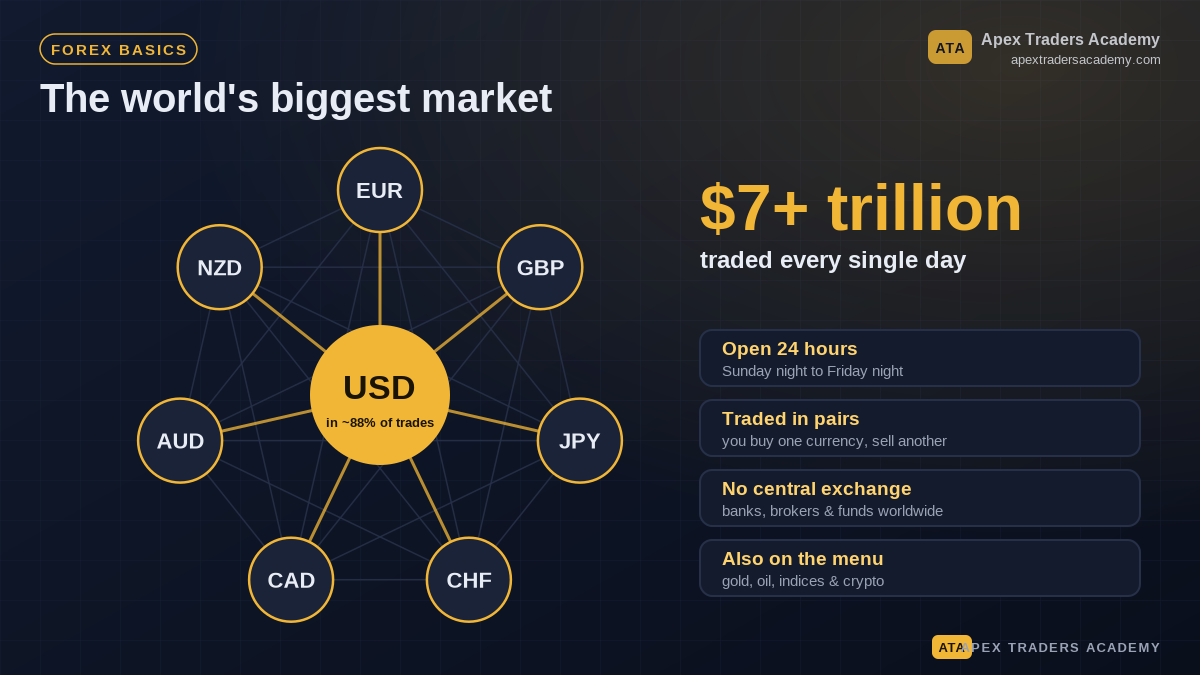
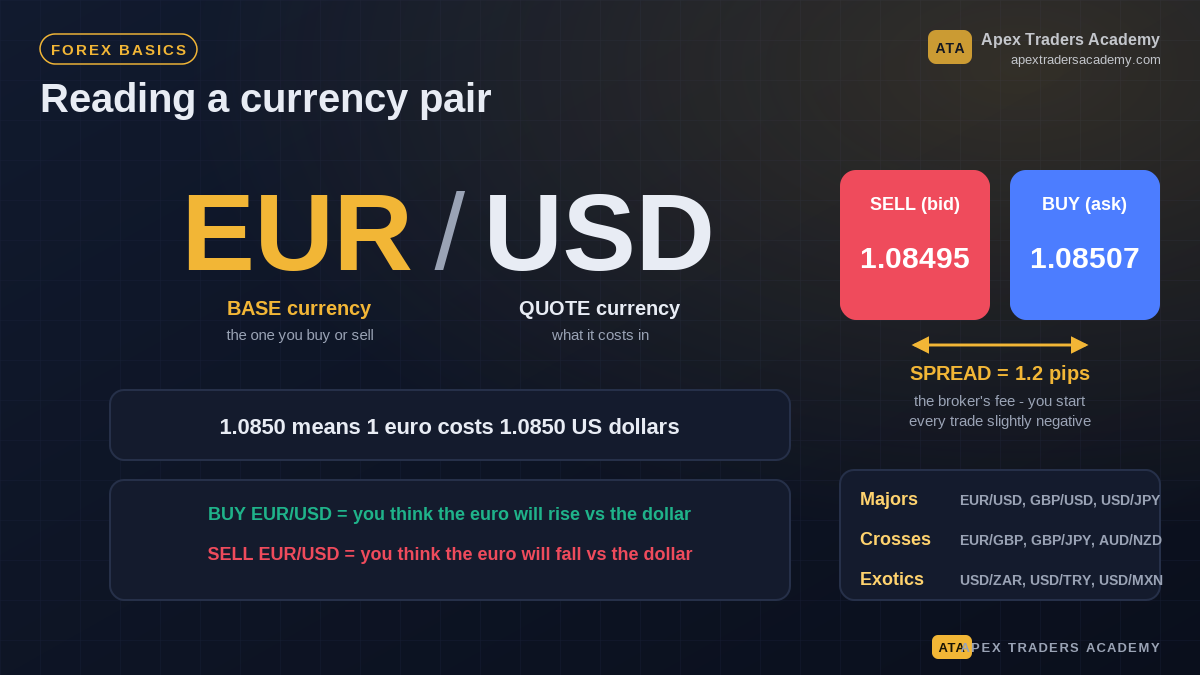
Trading currencies is simply buying one currency and selling another, hoping the price moves in your favour. When you open an account with a broker, deposit funds and trade EUR/USD, gold or US30 on MetaTrader 5, you are taking part in the global foreign exchange market - the same market banks, companies and governments use every day. If you are new to how that market works, start with what forex is and how it really works.
There is no Nigerian law that criminalises a person for doing this with their own money. Students, salary earners and business owners in Abuja, Lagos and across the country trade forex openly. So if your question is "is forex trading illegal in Nigeria?", the honest answer is no.
What the law focuses on is the other side of the trade: the companies and individuals who take money from Nigerians to trade on their behalf, or who run trading platforms aimed at Nigerians.
What the Investments and Securities Act 2025 changed
For years, people described online forex in Nigeria as a "grey area": the activity was not banned, but there was no clear rulebook for the platforms. That has been changing.
The Investments and Securities Act 2025 (ISA 2025) gives the Securities and Exchange Commission (SEC) Nigeria the power to register and regulate online forex trading activities, platforms and intermediaries. The SEC has said publicly that operating such a platform for Nigerians without its registration is an offence under the new Act.
In September 2026 the SEC went further and published draft rules for online forex and Contracts for Difference (CFD) trading. As reported in the Nigerian press, the draft proposes:
- different licence categories for brokers and trading platforms;
- large minimum capital requirements for operators (reported at billions of naira for the biggest categories);
- rules for foreign platforms that target Nigerian residents;
- a transition period for existing operators to register and comply.
At the time of writing these were proposals, not final rules. They may change before they take effect, so always check the latest position on the SEC's official website.
What this means for you as a trader
Nothing in these changes turns you into a criminal for trading your own account. The rules are aimed at operators. In practice they should make the market safer for you, because more of the companies asking for your money will have to be registered, capitalised and supervised.
Why people think forex is "banned" in Nigeria
Search Google and you will see "is forex trading banned in Nigeria?" and "is forex trading allowed in Nigeria?" again and again. There are three reasons for the confusion:
- Ponzi schemes dressed up as forex. Many "investment platforms" promised fixed weekly returns "from forex trading" and then collapsed, taking people's savings. When regulators warn about these schemes, people hear "forex is illegal".
- Foreign exchange controls. The Central Bank of Nigeria (CBN) regulates how naira is changed into dollars and how money moves in and out of the country. That is about currency exchange and capital flows - not about you placing a trade on a chart.
- Account managers and "signal" sellers. People who collect your money to "trade for you" and share profits are running an investment business. That is exactly the kind of activity regulators want registered.
If you remember one sentence from this article, make it this: trading forex is legal; handing your money to an unregistered person or platform that promises returns is where the danger - and the law - is.
How to trade forex legally and safely in Nigeria
Here is the checklist we give every student at Apex Traders Academy.
1. Trade your own account, in your own name
Open an account in your own name, verify it with your own documents, and keep the login to yourself. Never send money to someone's personal bank account "to trade for you". Our lesson on choosing a broker and spotting trading scams walks you through the warning signs.
2. Check who regulates your broker
Before you deposit, find out where the broker is regulated and check the regulator's own public register - not the broker's website. As the SEC's new rules come in, also check whether the platform is registered or has applied to operate in Nigeria.
3. Run from guaranteed returns
Real trading has losing days and losing weeks. Anyone promising "10% every week", "double your money in 30 days" or "no risk" is not describing trading. Walk away.
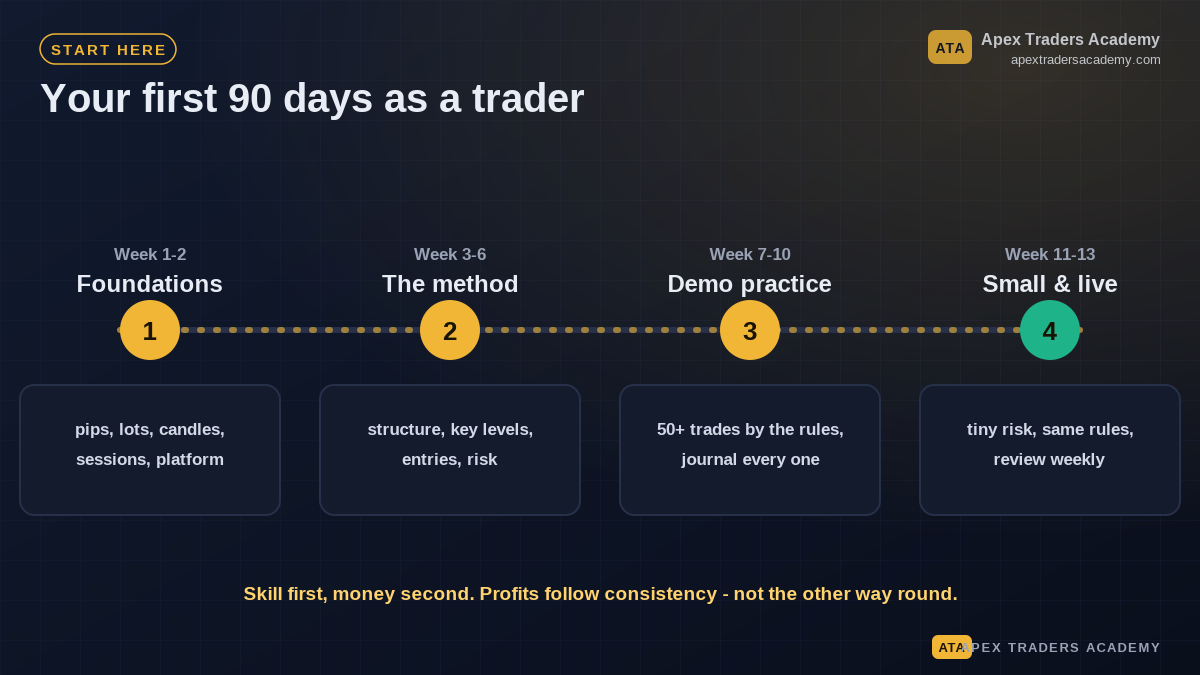
4. Learn before you risk real money
Most people who lose money in forex do not lose it to the government or to scammers - they lose it to the market because they never learned a rule-based method. Learn how to read candlestick charts, practise on a demo account, and keep every trade small with the 1% risk rule.
5. Keep records
Keep your deposit receipts, statements and trade history. A trading journal is not only the best way to improve - it is also your record if you ever need one.
A worked example: legal trading vs a risky scheme
Consider two people in Abuja who each have ₦300,000 to start.
Chika opens a verified account in her own name with a regulated broker, deposits the money herself, and risks 1% (₦3,000) per trade on a written plan. Some weeks she loses, some weeks she wins, and she records everything in her journal. This is ordinary, legal forex trading.
Tunde sends ₦300,000 to an "account manager" on WhatsApp who promises 15% every week. He receives two "profit" payments, then the manager stops replying. Tunde never traded anything - he joined an unregistered investment scheme, which is exactly what the SEC warns about.
Same starting money, same city - completely different risk.
Frequently asked questions
Is forex trading legal in Nigeria in 2026?
Yes. No Nigerian law makes it a crime for an individual to trade forex with their own funds. Operating an online forex platform or investment scheme for Nigerians without SEC registration is what the law targets.
Is forex trading banned in Nigeria?
No. Forex is not banned. The confusion comes from regulators' warnings about Ponzi schemes and unregistered platforms that use the word "forex".
Does the CBN allow forex trading?
The CBN regulates foreign exchange dealings, such as changing naira into dollars and moving money abroad, and you should follow its rules when you fund or withdraw. It does not prohibit individuals from trading on the forex market.
Do I pay tax on forex profits in Nigeria?
Trading profits can be taxable income. Tax rules depend on your situation, so speak with a qualified tax adviser and keep good records of every deposit, withdrawal and trade.
Is it legal to pay someone to trade for me?
Giving your money to someone to trade and share profits is an investment arrangement. Unless that person or company is properly registered, you have little protection and it may be unlawful for them to offer it. Learning to trade your own account is the safer path.
The bottom line
Forex trading is legal in Nigeria, and the regulatory changes coming from the SEC are aimed at making the industry safer, not at stopping you from trading. Protect yourself by trading your own account, checking who regulates your broker, ignoring guaranteed-profit offers, and - most importantly - learning a clear, rule-based method before you risk real money.
If you want to learn the right way, start with our free lessons on the blog, practise on Apex Charts, or join the Apex Trading course for structured mentorship in Abuja and online.
Education only - not financial or legal advice. Rules can change; check the SEC Nigeria's latest publications. Trading on margin is risky; never risk money you can't afford to lose.
Want to see this on live charts?
Inside the course we apply every lesson to real Weekly, Daily and 4H charts - with mentorship until it clicks.
Education only, not financial advice. Trading on margin carries a high level of risk. Always use a stop loss and risk only what you can afford to lose.
Next lessonHow Much Do You Need to Start Forex Trading in Nigeria? (Naira Examples) →
How much do you need to start forex trading in Nigeria? Real naira examples of what small, medium and larger accounts can risk per trade, and the smart way to begin.