What Is NAS100? A Beginner's Guide to NAS100 and US30
What is NAS100? Learn what NAS100 and US30 represent, how index products differ by provider, Nigeria trading hours in general, and why sizing and news risk matter.

NAS100 is a common broker label for a product that tracks the Nasdaq-100 index, which represents a group of large non-financial companies listed on Nasdaq. US30 is a common label for a product linked to the Dow Jones Industrial Average. The exact instrument offered by a trading platform may be a derivative with its own contract terms, so check the product specification before trading.
These index markets can move quickly, particularly around US economic releases and company news. Nigeria uses West Africa Time (WAT), but session conversions can shift when the United States changes daylight-saving time. Learn the schedule generally, verify the current hours with your platform, and size positions only after understanding the contract.
What is NAS100?
The Nasdaq-100 is an index of large non-financial companies listed on the Nasdaq exchange. It is not the same as buying one company’s shares. A broker’s NAS100 product may track the index through a contract for difference or another derivative, and product details differ by provider.
US30 commonly refers to exposure linked to the Dow Jones Industrial Average, an index of 30 large US companies. Its construction differs from the Nasdaq-100, so the indices do not move identically. A label such as US30 or NAS100 is not enough to know contract value, margin, trading hours or fees.
Before using a symbol, read the platform’s contract specification: minimum size, tick or point value, margin requirement, trading schedule, overnight charges and order rules. A demo account can help you learn the interface, but it does not remove the need to understand live product risks.
Why indices can move sharply
An index reflects the combined price movements of its constituents according to the index’s construction. Company earnings, interest-rate expectations, economic releases and broader risk sentiment may all affect prices. A large move in a heavily weighted constituent can matter more than a similar move in a smaller constituent.
US inflation, employment and central-bank-related news can create volatility. The market may move before a scheduled release as expectations change, then move again after publication. A large candle does not reveal whether the next candle will continue the same direction.
If a major US release is due, decide ahead of time whether you will be exposed. Spreads can change and execution can be less predictable around fast markets. A stop order can help define a plan but may not guarantee the exact exit price during a sharp move.
NAS100 and US30 trading hours in Nigeria time
Many broker products offer trading access for extended hours on weekdays, with a daily maintenance break or other product-specific schedule. Cash-market activity in the United States is concentrated during its regular exchange session. The corresponding Nigeria time is generally in the afternoon and evening, but the exact WAT opening and closing times shift when US daylight-saving time begins or ends.
Do not rely on one fixed clock time all year. Check the current schedule inside the platform for the exact NAS100 or US30 product you intend to study. A broker’s derivative may trade outside the underlying exchange’s regular hours, and holidays or maintenance can change availability.
Session overlap can be a period of increased activity, but there is no guarantee of higher-quality setups. Your plan should focus on price behaviour, risk and your availability rather than staying awake for every move. For a broader time perspective, read forex trading sessions in Nigeria time.
Contract size and lot sizing caution
Index products do not all use the same point value or lot definition. On one platform, a one-unit change in price may have a particular cash value; on another, the contract may be defined differently. Never copy a lot size from a forex pair or from another broker. Verify the exact product specification and practice the calculation in a demo environment.
For an illustrative example, suppose a trader’s chosen maximum planned loss is ₦2,000 and the technical stop is 100 index points away. The trader still cannot calculate position size from those two numbers alone. They need the product’s cash value per point, account currency conversion, fees and contract rules. Guessing may expose the account to a much larger loss than intended.
A longer stop generally requires a smaller position for a fixed cash risk. If the minimum contract size would make the loss too large, do not trade that setup. Keep leverage and margin separate from the question of how much you are willing to lose. See risk management in forex, the one percent risk rule and how to calculate lot size.
Use chart structure rather than chasing candles
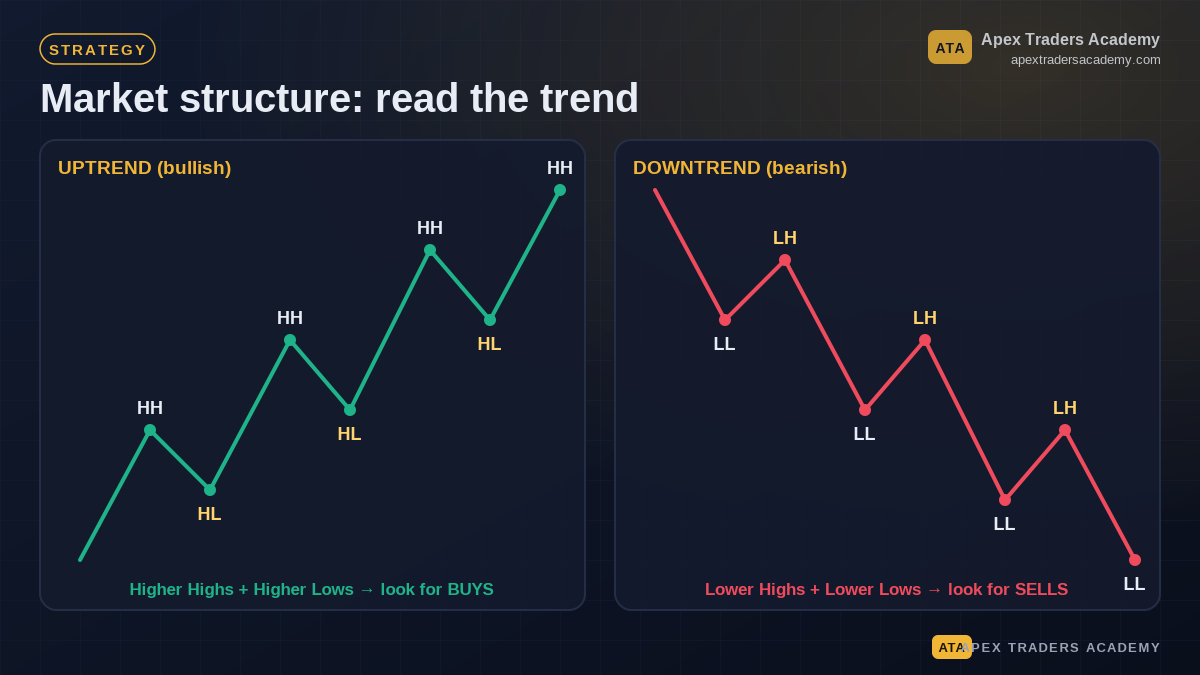
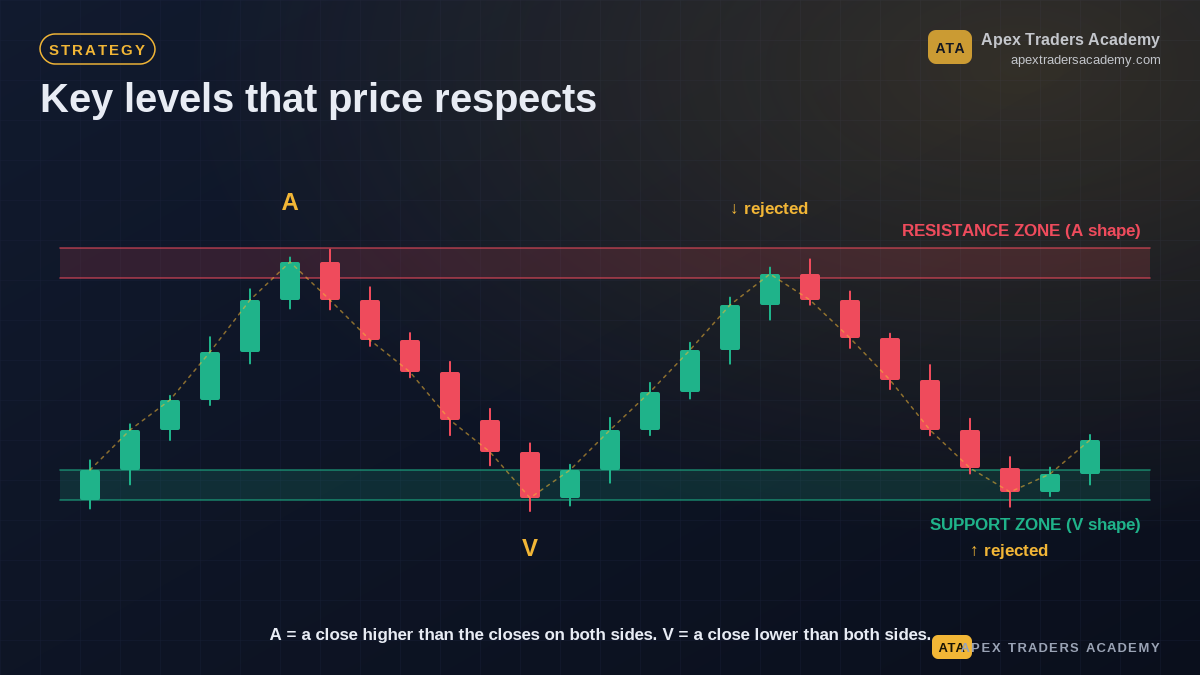
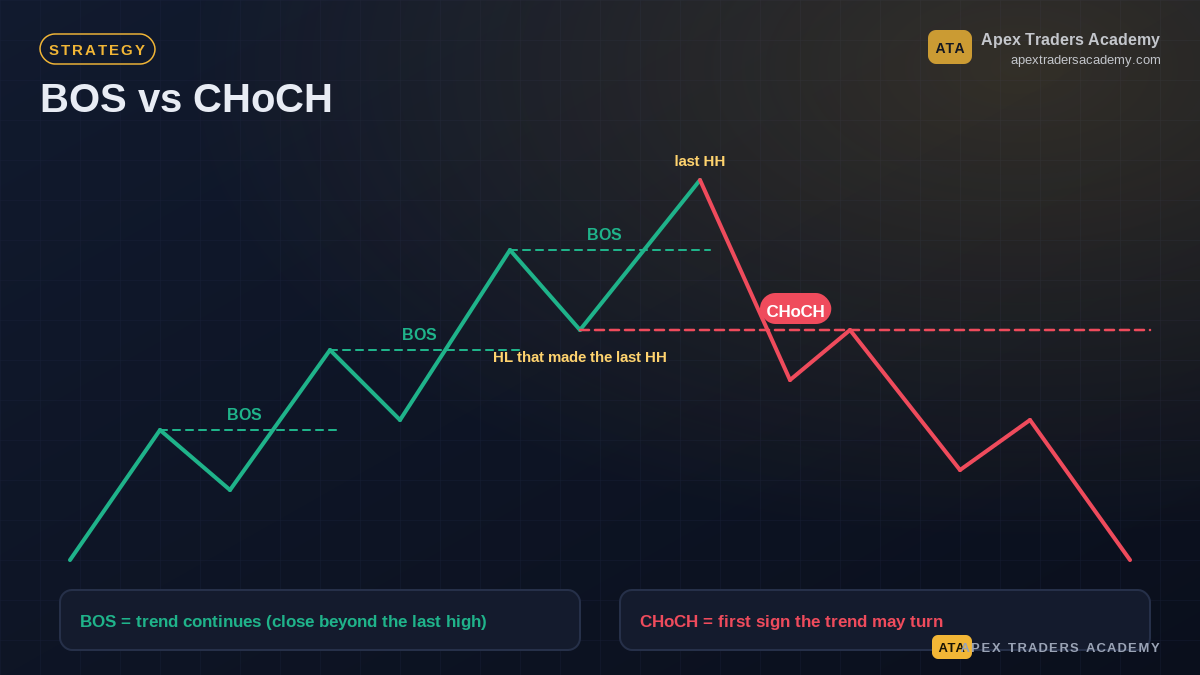
Index charts can produce large candles that tempt beginners to chase price. Use a top-down routine: Weekly context, Daily levels, then 4H behaviour. Mark relevant A/V key levels and wait for a close-based reaction according to your rules. If price has already travelled far from the level, it may be better to wait for another opportunity.
For example, imagine NAS100 is approaching an illustrative Daily resistance zone after a strong rise. On 4H, price briefly trades above a previous high but closes back below the zone. That can be recorded as a possible rejection or liquidity candle. It does not prove that the index will fall. Wait for the rest of your plan and calculate risk before considering a position.
An engulfed + engulfing candle around a level may be one part of a setup if the pattern is clearly defined. A wick through a high is not the same as a candle closing above it. Learn the underlying chart language in how to read forex charts and support and resistance key levels.
A practical beginner routine
First, identify the exact product and its hours. Next, check whether important US data or a company-related event is scheduled. Then inspect Weekly and Daily structure and mark only levels that have a clear reason. On 4H, wait for the candle behaviour your plan requires. Set the invalidation point and compute size from the contract’s verified point value.
If you do not understand the point value or margin, practise without a live trade. Do not raise size after a win or loss. Keep a daily limit and stop when you reach it. If the market is moving too quickly for your method, standing aside is an active risk decision.
Use Apex Charts to practise marking levels and observing closes. Capture the chart and record your reasoning in the trading journal. Compare what you planned with what happened, including examples where you avoided a trade. A journal can show whether you are following a process or reacting to large candles.
Common mistakes with NAS100 and US30
Do not assume all NAS100 or US30 products are interchangeable. Do not assume a forex lot-size formula transfers directly to an index derivative. Do not ignore the platform’s trading hours, maintenance windows or point value. Those mistakes can turn a sensible chart idea into an unsuitable position.
Avoid trading every US data release. News can produce gaps, sharp reversals or no lasting move. Do not make a directional claim solely because a report is “good” or “bad”; markets respond to expectations and context. Keep the same risk rules during exciting sessions as during quiet ones.
Frequently asked questions
What is NAS100?
NAS100 is a common label for a trading product linked to the Nasdaq-100 index. The exact instrument and contract terms depend on the platform offering it.
What is the difference between NAS100 and US30?
They refer to products linked to different indexes with different constituents and construction. Their price movements can differ, and the derivative contract details may also differ by provider.
What time does NAS100 open in Nigeria?
Trading hours vary by platform and product. US regular market hours translate to afternoon and evening in Nigeria, but the WAT conversion changes with US daylight-saving time. Check the current product schedule rather than relying on a fixed time.
Is NAS100 more volatile than forex?
Volatility varies by period, instrument and measurement. Index products can have sharp moves, especially around US data, but no fixed comparison applies in every market condition.
How do I calculate NAS100 lot size?
Use the exact contract’s cash value per point, stop distance, account currency and costs. Confirm these in the platform specification. If you cannot verify the inputs, do not guess or open a live position.
Education only - not financial advice. Trading on margin is risky; never risk money you can't afford to lose.
Want to see this on live charts?
Inside the course we apply every lesson to real Weekly, Daily and 4H charts - with mentorship until it clicks.
Education only, not financial advice. Trading on margin carries a high level of risk. Always use a stop loss and risk only what you can afford to lose.
Next lessonLearn Forex Trading in Nigeria: Online Classes for Every City (2026 Guide) →
Want to learn forex trading in Nigeria? How to learn properly from Lagos, Port Harcourt, Kano or anywhere - online classes, in-person sessions in Abuja, and a clear path.