Forex Trading Routine: Build a Calm, Repeatable Process
A forex trading routine can help you prepare, follow your rules and review decisions. Build a simple daily process that fits your life and schedule.


A forex trading routine gives your trading day a clear beginning and end. It helps you decide when to prepare, when to trade and when to step away. It does not predict the market or guarantee good results. Its purpose is to make it easier to follow the rules you have already chosen.
You do not need a complicated morning ritual or hours in front of a screen. A useful routine should fit around your work, family and rest. Start with a few repeatable actions, then adjust them as you learn what helps you make careful decisions.
Start with the time you can actually give
Choose a trading window that fits your real schedule. A trader with a job or classes may have less time than someone who trades full-time. That is fine. The goal is to build a process you can keep, not to watch every market move.
Write down:
- When you can prepare without rushing.
- Which market or pair you plan to watch.
- When you will stop looking at charts.
- What might interrupt you, such as work, travel or family duties.
For example, if you only have a quiet hour in the evening, use it to review a small watchlist and wait for setups that match your plan. Do not keep checking charts throughout the day if you cannot manage a trade during that time.
Use forex trading sessions in Nigeria time to understand session timing. Then choose the hours that work for you. A market being active does not mean you must trade it.
Use a short preparation checklist
Before opening a trade, pause and check the same points each time. This can help you notice when you are acting from urgency instead of following your process.
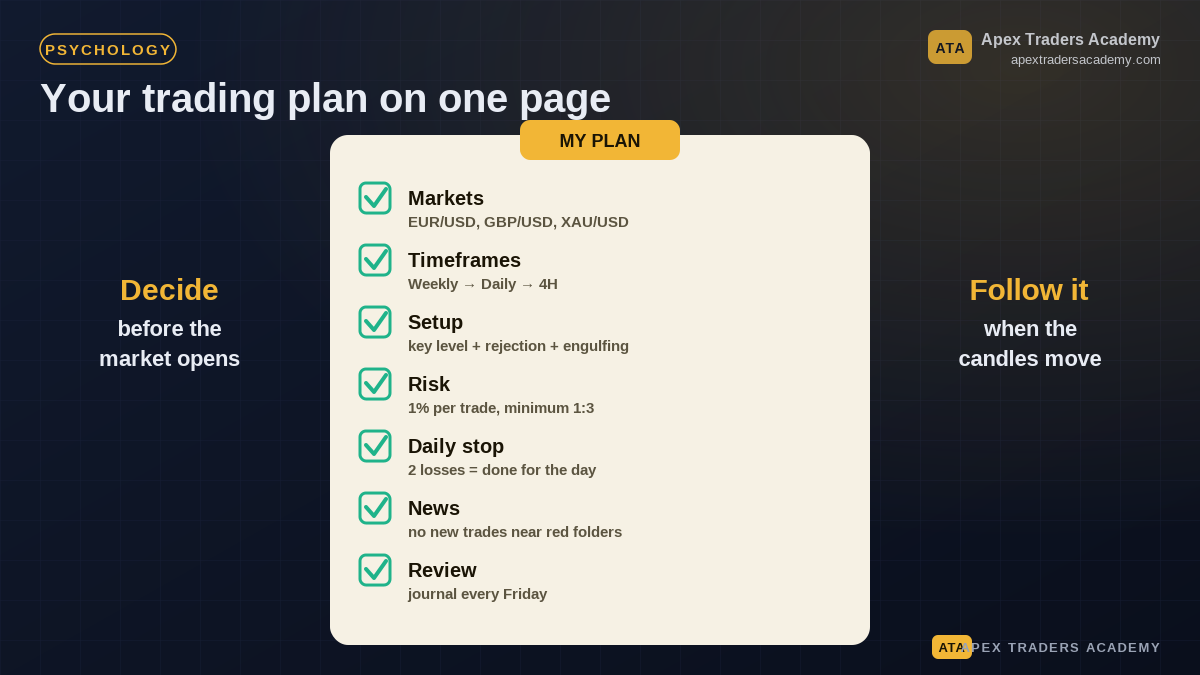
Try this checklist:
- Have I chosen the market I planned to watch?
- Do I understand what would make this setup valid?
- Where would the trade idea be wrong?
- Have I worked out the position size and possible loss?
- Can I stay available to manage the trade?
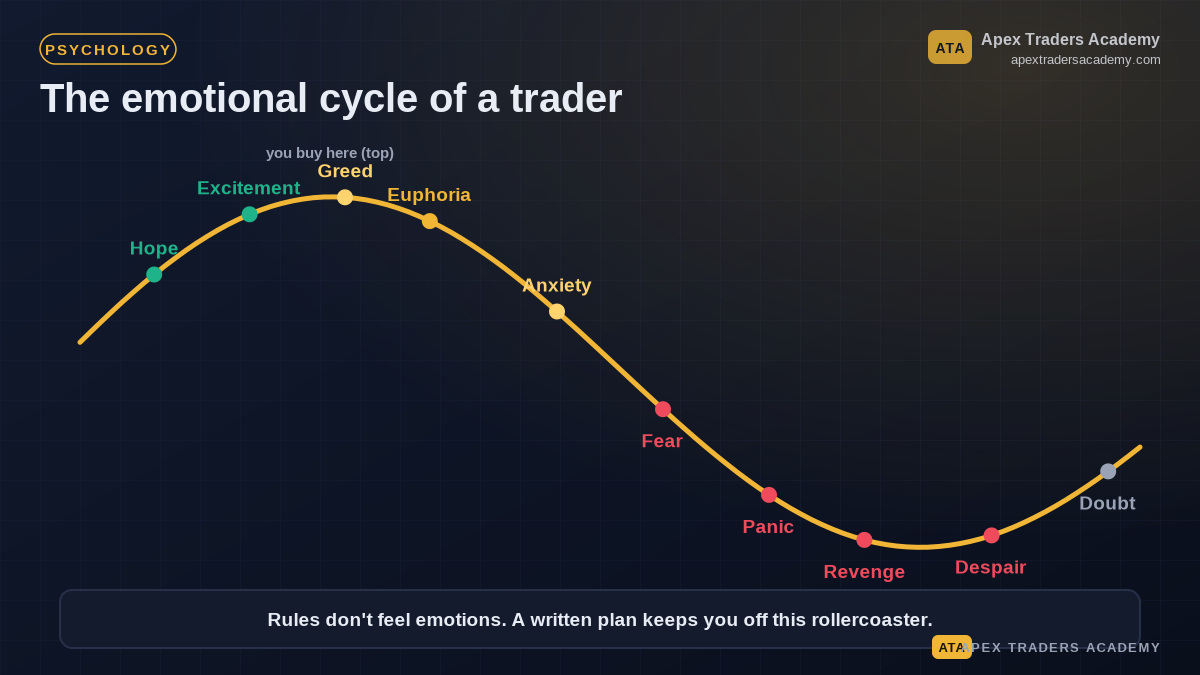
- Am I calm enough to accept either outcome?
If you cannot answer a question, wait. Missing a trade is not a reason to enter without a clear idea. Review how to build a trading plan if you need help defining your rules.
Keep this checklist somewhere visible. A note beside your screen is enough. The value comes from using it consistently, not from designing a perfect template.
Decide your limits before the chart pulls you in
A routine needs a clear stopping point. Decide ahead of time what will make you stop for the day. Your limit might be a maximum number of trades, a point where you have reached your planned loss limit, or a time when you must leave your desk.
The right limit depends on your own written plan. Do not change it in the middle of a stressful session just because you want to recover a loss or make one more attempt.
For example, if your plan says to stop after two trades, close the platform when the second trade is complete. Use the time to record what happened instead of searching for another setup. A stop rule is useful only if you follow it when it feels inconvenient.
Also keep trading money separate from money for rent, food, transport, school fees and other needs. If a deposit or loss would make it harder to meet those costs, pause and review your budget. A financial plan should start with your income, expenses and savings needs. Investor.gov’s general investing guidance recommends listing these items and keeping funds for unexpected expenses. This is a basic budgeting idea, not a reason to trade.
Make rest part of the process
Trading often involves waiting, making decisions and handling uncertainty. If you are tired, distracted or unwell, consider whether it is a good day to trade. You can choose to observe, review or take the day off.
The NHS says adults need about seven to nine hours of sleep on average, while the US CDC advises adults aged 18 to 60 to get at least seven hours. Individual needs vary. If sleep is regularly difficult or affects your daily life, consider speaking with a health professional.
Build your routine around a reasonable bedtime and wake time where possible. Before your trading window, drink water, eat if you need to, and take a moment to notice how you feel. These are simple ways to check in with yourself, not a promise that you will make better trades.
Use a no-trade rule when you are exhausted, ill, upset or dealing with an urgent distraction. For example, if you are watching a chart while also trying to handle a stressful call, step away and return only if you can give the task your attention.
End the session with a brief review
At the end of your planned trading window, write a few clear notes. Keep the review short enough that you will do it even on an ordinary day.
Record:
- What you planned to watch.
- Whether you followed your entry and risk rules.
- What you felt before and after a trade.
- One thing you want to repeat or change next time.
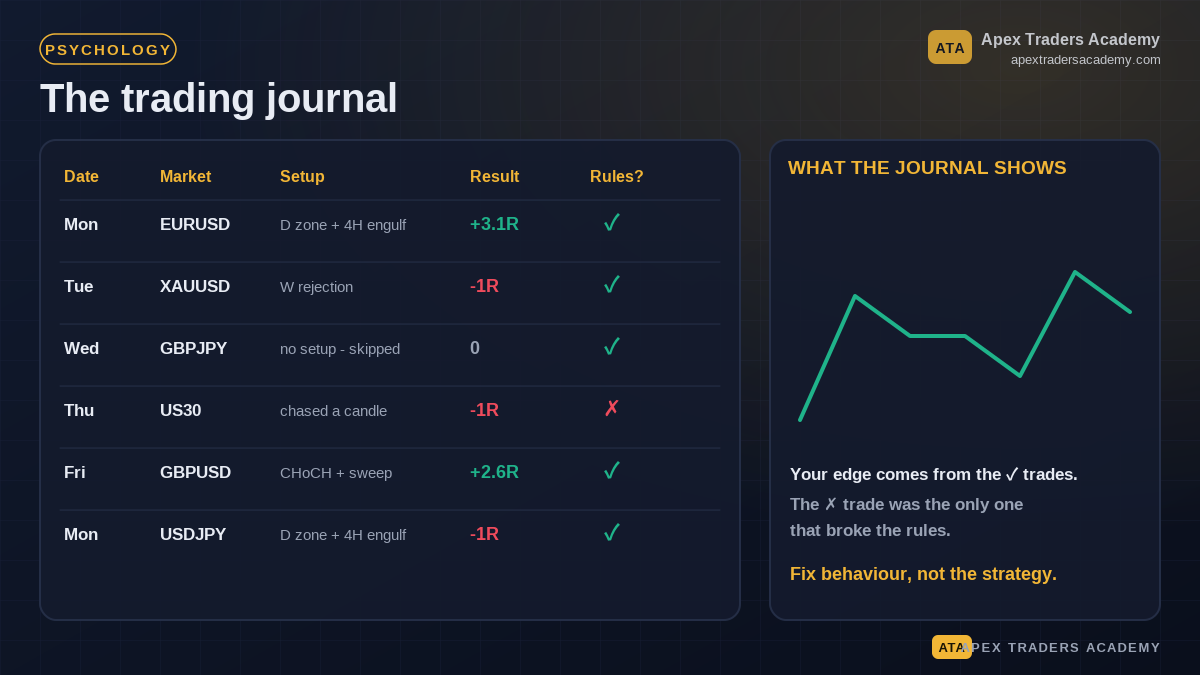
Separate your process from the outcome. A trade can lose even when you followed your rules. A winning trade can still come from an impulsive decision. Review what you did, not just whether the result felt good.
For instance, you might write: “I waited for my setup and used my planned exit. I felt impatient while waiting, so tomorrow I will hide the one-minute chart.” That gives you a specific action to try. For a fuller record of trades, use the trading journal habit lesson.
Keep learning without collecting noise
Learning is part of a trader’s routine, but constant input can make it harder to focus. Choose one skill to study at a time. You could review a lesson on risk, mark up a chart, or revisit a past trade. Then write one takeaway in your own words.
Be careful about changing your method every time you see a new strategy online. Before adding a rule, decide how you will evaluate it. You can practise and review ideas on Apex Charts without rushing into a live trade.
A simple weekly learning check might ask:
- What question came up repeatedly this week?
- Which lesson or chart example can help answer it?
- What will I practise next week?
- What information can I ignore for now?
Set a time limit for learning sessions. When the session ends, close the extra tabs and return to your own plan. You do not need to follow every market opinion to make a careful decision.
Create a routine you can repeat
Start with a one-week trial. Choose a preparation time, use a checklist, set a stopping point and make a short review. At the end of the week, ask whether the routine fitted your life and which step you actually followed.
Change one thing at a time. If the routine takes too long, shorten it. If you keep missing your review, move it to a more convenient time. If you keep trading when distracted, make your no-trade rule easier to see.
A dependable routine is personal. It should support your health, responsibilities and risk rules. You can practise your process for free on Apex Charts or build your foundations through a course.
FAQ
What is a forex trading routine?
It is a repeatable process for preparing, making decisions, setting limits and reviewing your trading. It should fit your schedule and written plan.
How do I make a daily trading routine?
Choose a realistic trading window, prepare with a checklist, decide when to stop, and make a brief review afterward. Begin with steps you can repeat consistently.
Should I trade when I am tired?
If tiredness makes it difficult to focus or follow your rules, consider taking a break or observing instead. Adults have different sleep needs; seek health advice if sleep problems persist.
Education only - not financial advice. Trading carries risk; never risk money you cannot afford to lose.
Want to see this on live charts?
Inside the course we apply every lesson to real Weekly, Daily and 4H charts - with mentorship until it clicks.
Education only, not financial advice. Trading on margin carries a high level of risk. Always use a stop loss and risk only what you can afford to lose.
Next lessonYour First 90 Days in Trading: A Roadmap for Complete Beginners →
Most beginners lose money in their first three months - not because trading is impossible, but because they do things in the wrong order. Here is the right order.